My Story:
Meg
From Auckland
Living with CVID and risk of Sepsis
I was diagnosed with Common Variable Immunodeficiency (CVID) in my mid-twenties after several years of constant sickness and fatigue. When I finally started receiving monthly IVIG infusions (and later, moved to subcutaneous IG therapy, SCIG), it made a huge difference to my general well-being and quality of life. It wasn’t until I found myself pregnant, and with twins, at the end of 2023 that my immunodeficiency became an issue once again.
I was referred by my immunologist and GP to the high-risk maternity team at Auckland Hospital early in the first trimester for ongoing monitoring and care. Pregnancy causes women to be immunocompromised, so throwing in twins and a pre-existing immunodeficiency in the mix meant that I needed an extra layer of support and care from my midwife, obstetrician, and immunologist.
A twin pregnancy is a pretty tough time, but aside from the aches and pains, it was relatively smooth sailing on the immune-system front until the third trimester. At about 32 weeks, I was feeling terrible, and blood tests showed that in addition to low iron, my IgG was very low (despite the fortnightly IVIG infusions I was having at that point ), my platelets had also dropped significantly, and I was developing pre-eclampsia. After nearly two weeks of monitoring, I went into hospital at nearly 35 weeks and didn’t leave for 3 weeks.
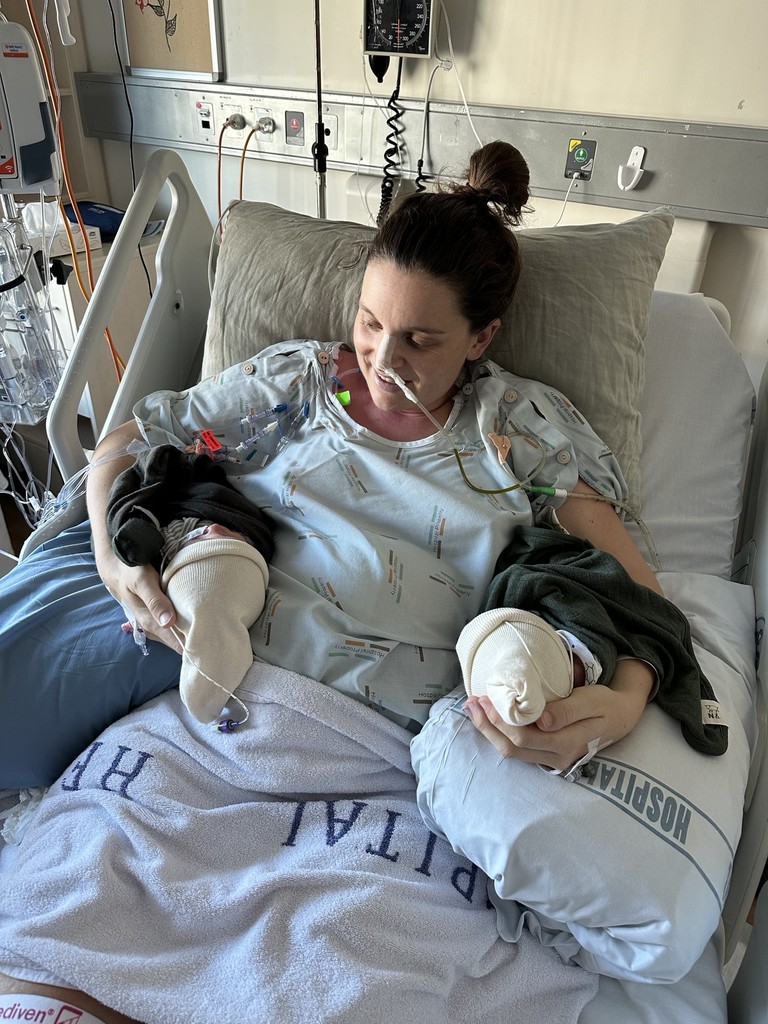
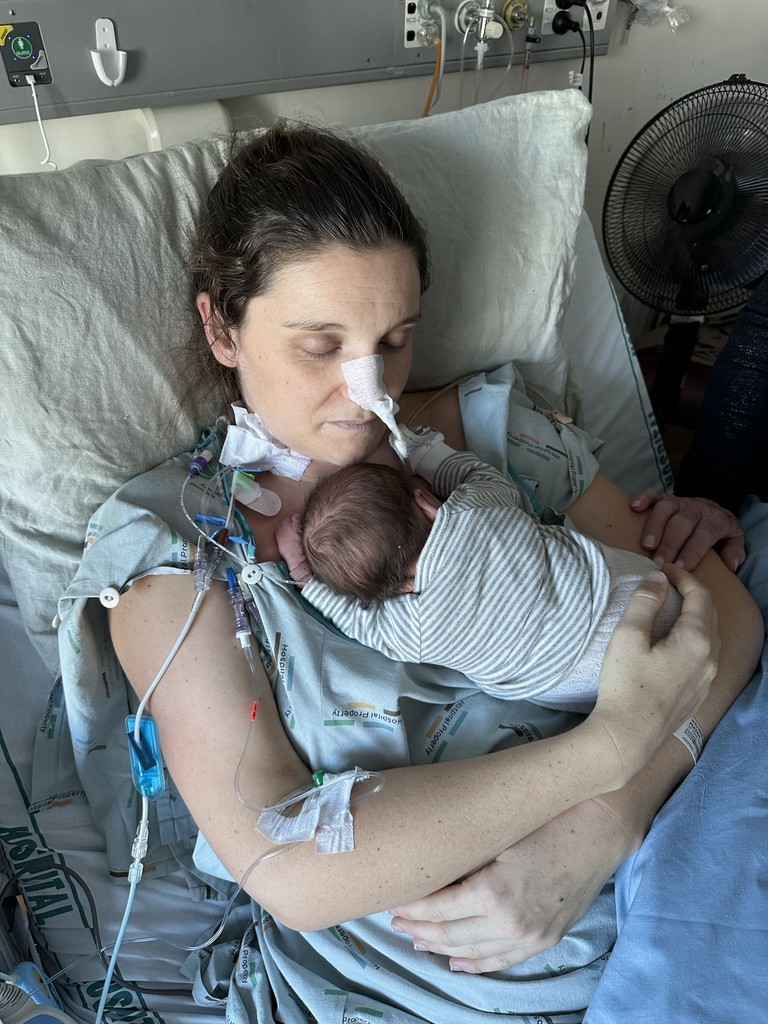
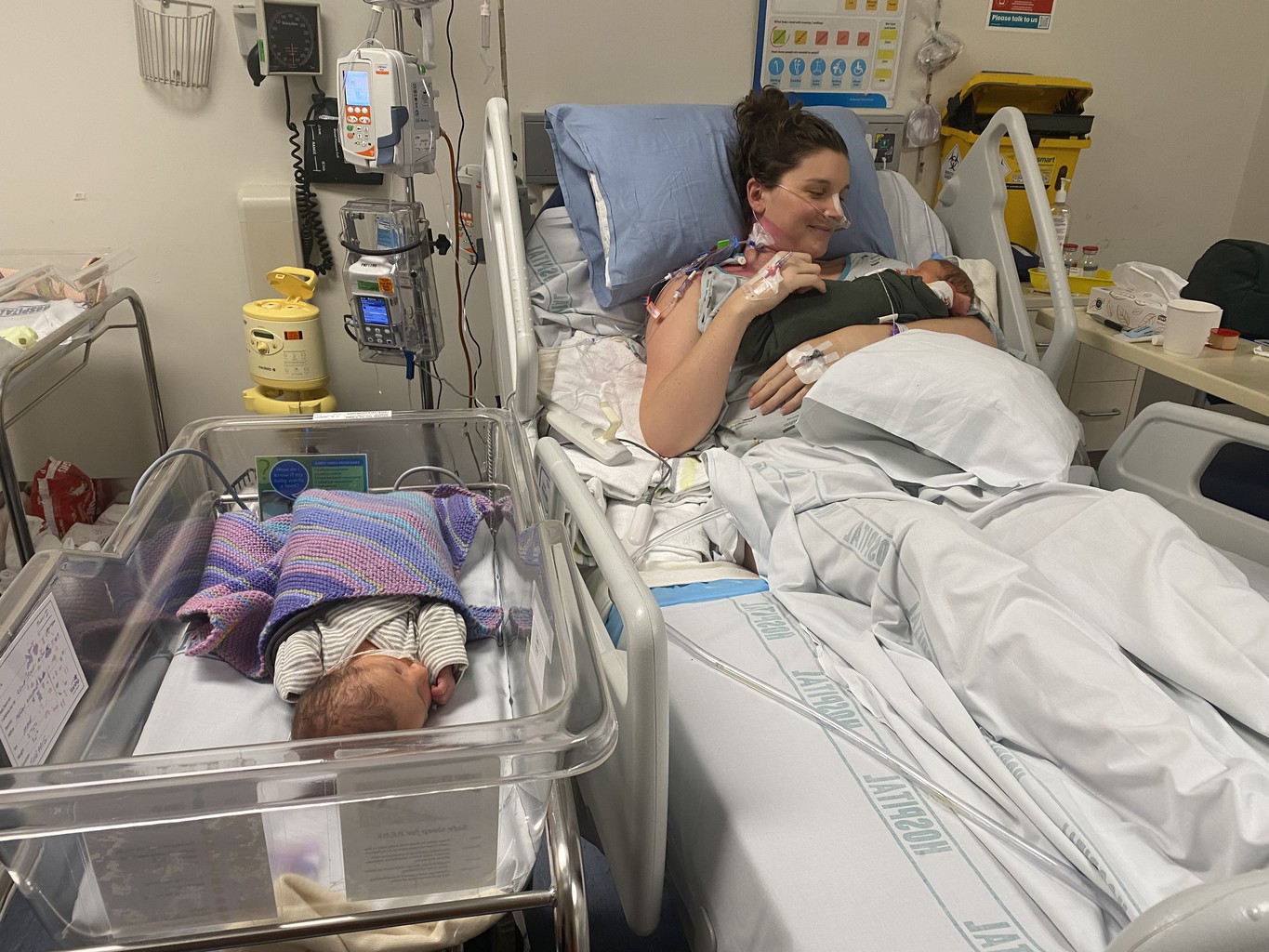
My platelets had fallen so low that I developed thrombocytopenia, which meant the only safe way to deliver the twins was by emergency caesarean under general anaesthetic. The twins were delivered safely, but within 24 hours I became extremely unwell. I could not get out of bed because of the pain, and my stomach became so swollen that, during the first of two CT scans, a doctor referred to me as “the pregnant woman”. The first scan did not show anything, so a nasogastric tube was inserted to drain my stomach. The next morning, I began vomiting, prompting the medical team to arrange a second CT scan. This showed that, sometime in the 72 hours after giving birth, my bowel had perforated, and the vomiting and pain were signs that my body was going into septic shock.
I was rushed into emergency surgery and underwent an emergency laparotomy, which involved removing the part of my bowel that had started to die and meant that I woke up with a very large surgery wound (which later became
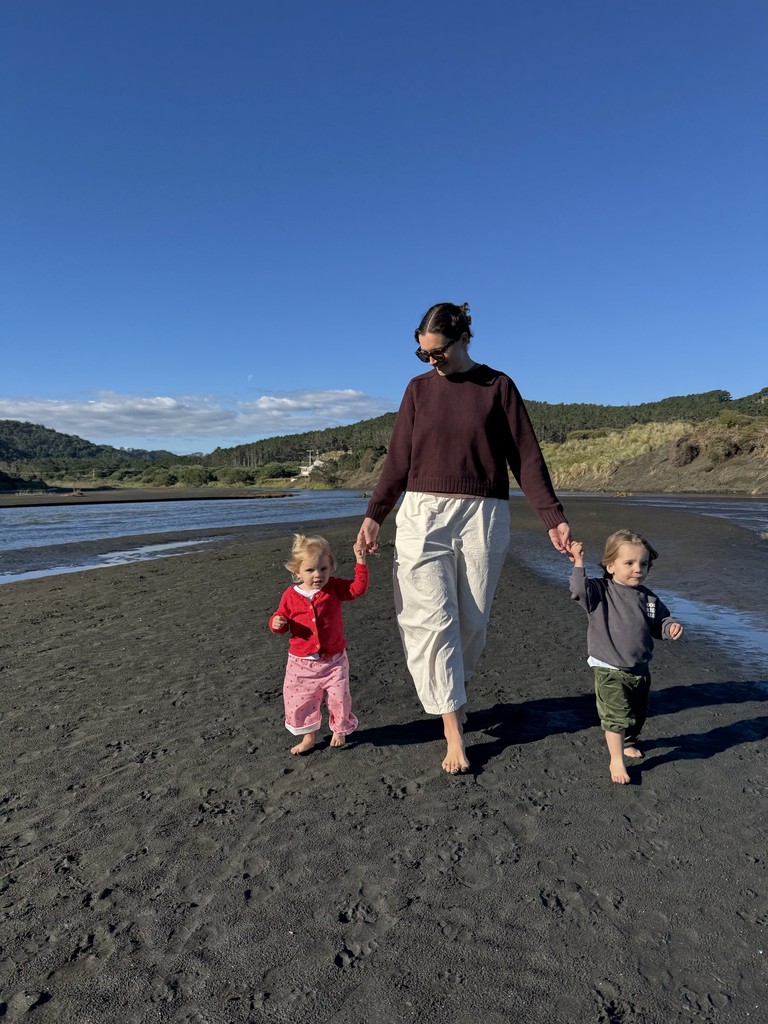
infected), and a temporary stoma and ileostomy bag. I spent three weeks in hospital on a separate ward to my twins, who, as prem babies, also had NG tubes in and required two-hourly feeds through their little tubes. I couldn’t do anything for them for the first two weeks of their lives, and I left the hospital three weeks after I'd been admitted with two newborns, an ileostomy bag, and a vac dressing for my infected laparotomy wounds.
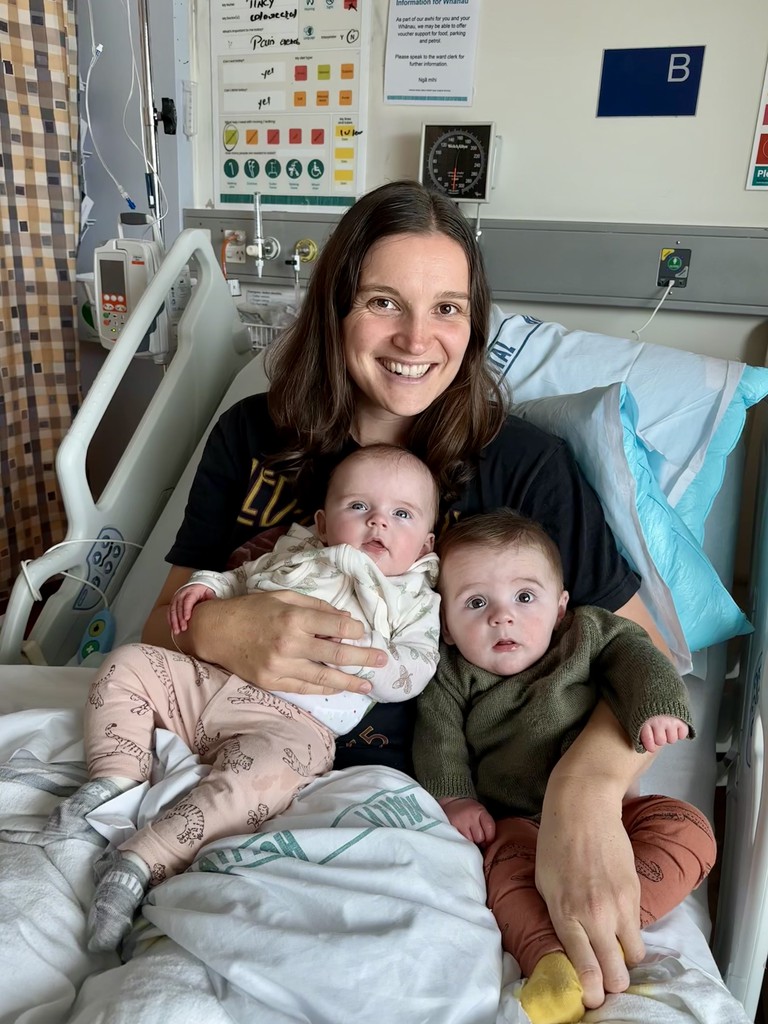
I've since had my stoma reversed in November 2024, and a further surgery in August last year to fix a hernia that had developed at the laparotomy site. They're still not entirely sure why or when my bowel perforated but it was likely linked to my CVID. I wanted to share my story to highlight how even well-managed immunodeficiencies can seriously impact our lives.
Thank you for sharing, Meg. An excellent reminder to all of our patient members to be aware of the early warning signs of sepsis.