
In the Hospital Lane - My Health, My Turn: Stepping into Adult Care
Mon Aug. 24th 2026

A Young Adult’s Perspective
When you’re little, your health is something that you take for granted. You’ve grown up knowing what it’s like to live with an ongoing health condition, and all the ‘health things’ just happen around you. Your parents pack the bags, talk to the doctors, and keep track of all the details. You just turn up. But as you grow up, there’s this slow shift. Suddenly, people expect you to remember things.
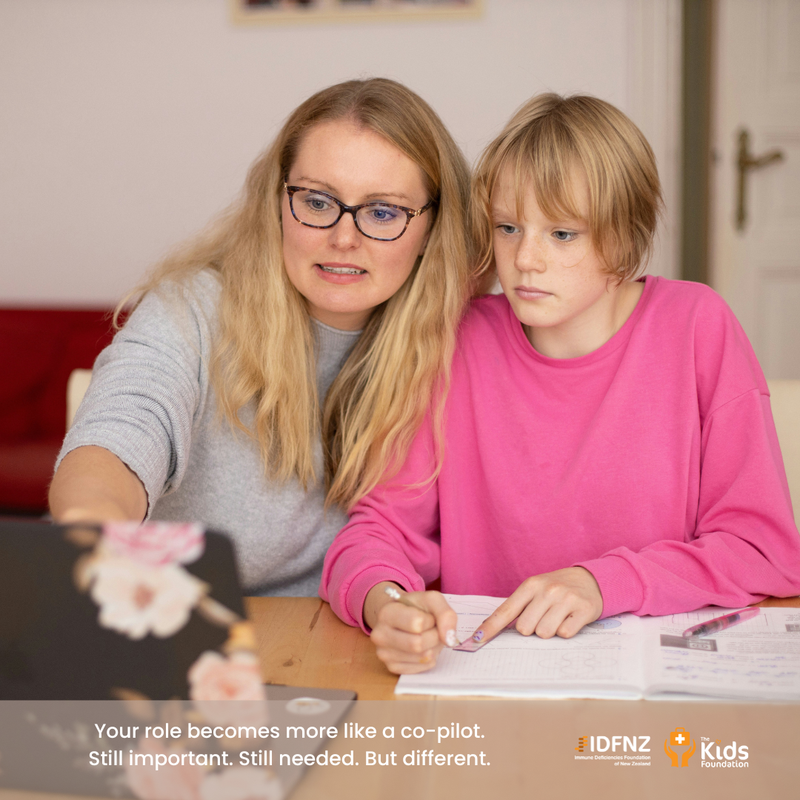
Your doctors start asking you questions and asking you to make choices. This is what transition feels like. It’s not a sudden shift; it’s gradual. Not just moving from children’s services to adult healthcare but learning to carry more of the weight yourself. At first, it can feel unfair – like you didn’t ask for this extra responsibility. You’d prefer to just keep it the way it was, it’s easier, and less stressful. But over time, you start to see the flip side: it’s also freedom, and part of growing up into adulthood. It’s your chance to understand your health on your own terms, to feel stronger, and to know that you’re capable of looking after yourself. One young person described it like this: “For years, I felt like I was just tagging along to appointments. I didn’t really know what was going on. But once I started asking my own questions, it was like someone had handed me the steering wheel. I was nervous, but also a bit excited. It finally felt like it was my health, not just something happening to me.”
Taking Responsibility (a little at a time)
Responsibility is probably the scariest word when it comes to transition. It makes it sound like everything suddenly lands on your shoulders. The truth is, it doesn’t. You can build it up slowly. Start with the easy stuff: remembering to take your medication, putting reminders in your phone, or keeping a small notebook of questions for your next appointment. These things don’t sound like much, but they are a good start toward taking your healthcare into your own hands.
“I remember the first time I had to phone the hospital myself. My mum said, “You do it this time.” Everything in my mind was saying ‘I can’t do this’, and I stared at the phone for about five minutes before I worked up the courage. My heart was pounding the whole time. But when I hung up, I thought, ‘That wasn’t so bad after all.’ With more practice, I became more confident and better at saying everything I wanted to say. After a few tries, it got easier.” Another teen put it this way: “The first time I booked an appointment myself, I messed up the date and had to call back. I felt so embarrassed. But now I laugh about it, because it’s just part of learning. Nobody’s perfect the first time.”

Independence and Empowerment
Taking responsibility is about learning to be independent. Not in the sudden kind of ‘leave home and go it alone’ type way, where you suddenly cut your parents off and do everything yourself. It’s more like walking side by side, but gradually you start choosing the path. “For me, independence felt empowering once I realised I had a say. Before, it always felt like decisions were made for me. But then I started speaking up: saying when a treatment was making me feel awful or asking if there were other options. And the doctors listened.” That moment – when you realise your opinion matters – is a big turning point. This feeling is what it means to be ‘empowered’.
“I remember sitting in an appointment where the doctor asked me first instead of my mum. I panicked, but I answered. After that, I kind of wanted it to happen more often. It made me feel respected.”
Independence doesn’t mean you don’t need your parents. It means you also have a voice, and it means your voice is very much needed in structuring your overall healthcare plan.
Knowing your Health Story
If someone asked you right now what medication you take, could you answer? Could you answer with more detail than just ‘the blue packet’ or the ‘small white ones starting with T’? When you’re in adult healthcare, you need to know names and dosage rates to pass these details along to all your care providers. They may have the details on your records, but it’s helpful if you can confirm with them as well. It’s worth learning the basics:
• Your diagnosis (in your own words, not just the medical ones)
• The names and doses of your medications
• Any allergies or past reactions
• What to do in an emergency
Sometimes it can be helpful to keep a card in your wallet or a note on your phone with all the info. It feels good knowing you don’t have to panic if someone asks!
As one teen put it; “The first time I had to explain my health to a new doctor on my own, I realised how little I knew. My mum always filled in the gaps before. Now I try to keep notes, so I don’t get caught off guard.” It’s not about memorising everything – it’s about having enough knowledge to explain your own story. Respecting Parents and Caregivers It can be frustrating when your parents still jump in with answers. You want to speak for yourself, but they’ve been doing it for so long that it’s second nature. The thing is, they’ve carried you through years of appointments, sleepless nights, and tough conversations. They know things about your health history that you might not “I used to snap when my mum interrupted me. But then I realised she wasn’t trying to baby me – she was trying to help. Now, we’ve made a deal: I speak first, then she adds what I might have missed. It works pretty well.” “My dad has this memory for details I’d never remember. Like, he knows exactly what dose I was on five years ago. I respect that, but I also make sure I get a chance to speak now.” It’s about teamwork. Respect their wisdom, but also make room for your own voice.
Asking Questions Without Feeling Silly
When you’re young, it’s easy to just nod through appointments, even when you don’t understand a word that’s being said! Asking questions may seem silly, and you can be afraid that asking anything would make you look dumb. It’s quite the opposite. Doctors appreciate it when you say, “Can you explain that again?” They would rather you seek clarification than just stare into space, knowing full well the information hasn’t been taken in. If you’re nervous, write down your questions beforehand. Even just two or three can make a difference. You can type them on your phone on the way to your appointment. And here’s the truth: no one expects you to understand everything the first time. Transition is about learning.
Communicating With Clinical Staff
Talking to doctors and nurses feels weird at first if you’ve always had your parents do the talking. It can even feel embarrassing if your parents are in the room. But once you start, it gets easier. Simple things help: making eye contact, saying “I don’t understand,” or asking for examples. Some young people even practice at home by explaining their condition to a sibling or friend. It sounds silly, but it works. “I started practicing what I’d say in the mirror. It felt ridiculous, but it helped me speak clearly in appointments. Now I don’t freeze up.” Remember - doctors want to hear from you
Being Organised (as best you can)
Organisation isn’t everyone’s natural inclination, but it makes a huge difference in healthcare. Set medication reminders, keep letters in a folder, and track appointments in a calendar. You don’t have to be perfect – but having systems makes life less stressful. There’s a lot of technology available, too - apps and reminders. Some people prefer old-school methods, like sticky notes on the fridge or a diary they carry around. Find what works for you “I’m forgetful, so I use a pill box. If the morning slot is empty, I know I took it. If not, I know I didn’t. It saves me from second-guessing."
Preparing for the Future (Gently)
Transition isn’t about suddenly morphing into an adult overnight. It’s about learning gradually, like practising before the real test. Some days you’ll feel ready, other days you’ll want someone else to take over. That’s okay. Remember the analogy of learning to drive. You don’t go from never touching a wheel to driving the car in one go. You start on the driveway, then a car park, then short trips, then bigger roads and motorways. Healthcare is the same. The goal isn’t to rush. It’s to grow in confidence, bit by bit.
Being Proactive
One of the biggest changes in adult healthcare is that you can’t just sit back and wait. You need to be proactive – booking your own appointments, asking for help, letting your team know when something isn’t working. It can feel intimidating and stressful but being proactive actually shows maturity. It makes healthcare professionals trust that you’re serious about looking after yourself.
“I used to wait for people to tell me what to do. Now I try to email my nurse first if something’s wrong. It feels good knowing I can handle it myself.” Transition is more than just moving from one clinic to another. It’s about becoming the main character in your own health story. That means responsibility, yes – but also independence, organisation, and having the courage to speak up. You don’t have to be perfect. Nobody expects you to know everything straight away. What matters is that you keep stepping forward – even in small ways. Every little step builds confidence. And one day, without even realising it, you’ll look back and see how far you’ve come!