My Story:
Airi
From Auckland
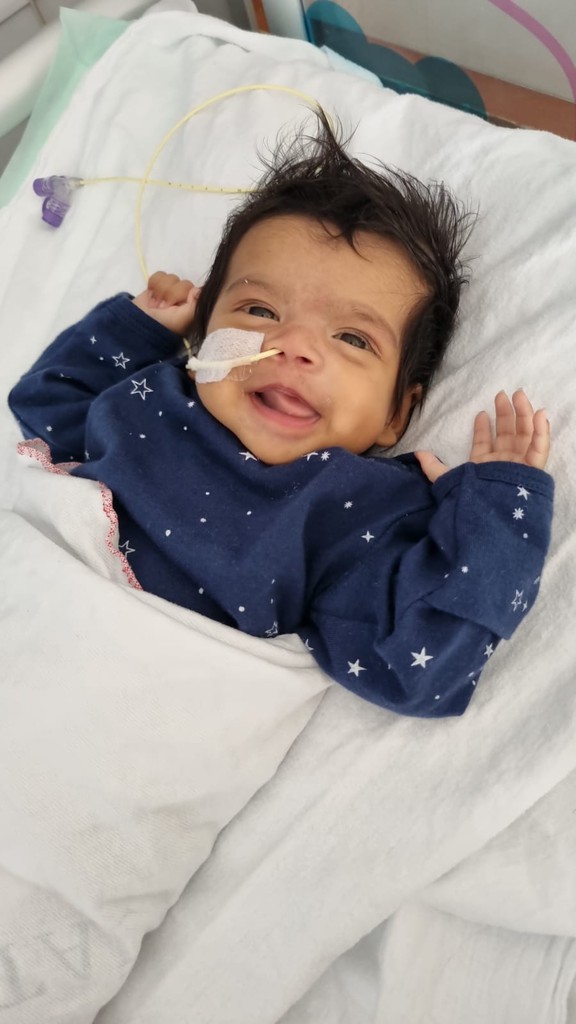


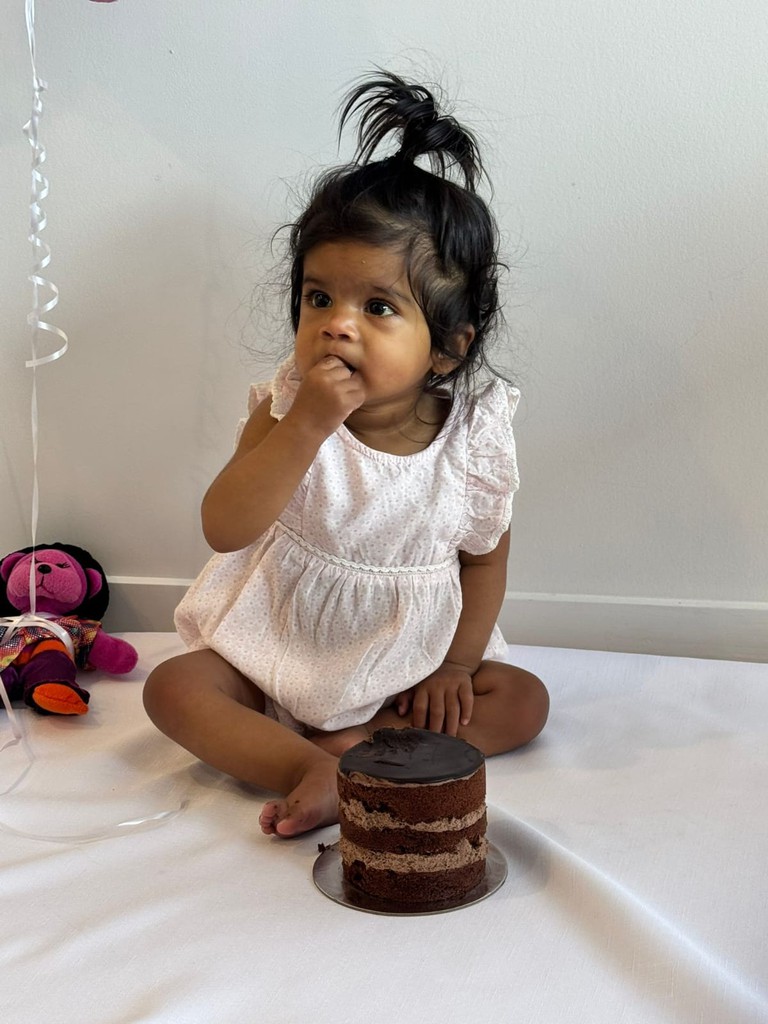
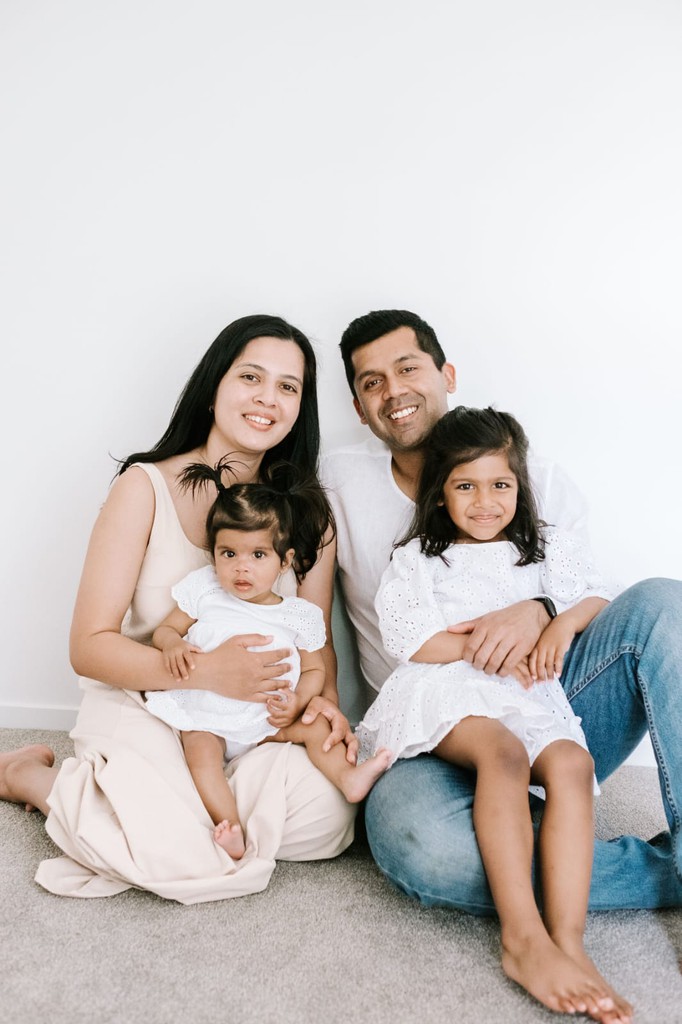
This story is about Airi, a spirited, strong and determined 21-month-old toddler from Auckland. Her name simply translates to ‘love’ and not a moment goes by where she isn’t receiving or infecting others with it. She has an older sister, Akira – now 5 and matches her sister’s spirit in full. They say, “God sends his toughest soldiers to fight the hardest battles” and none come tougher than the girls in our girls in our household, especially Airi.
We hope that sharing our story, Airi’s story, intimately will offer whoever is reading this some comfort and hope that it helps you find your version of hope.
Pregnancy
Airi was born on 4 January 2024 by planned caesarean section. The procedure was performed without complications. This was the second caesarean section for her mother and proceeded more smoothly than the first. At birth, Airi measured 51 cm and weighed 7.8 lbs, which was similar to her sister’s measurements, indicating normal development.
Birth
We first heard about ‘jaundice’ a day after Airi was born. Airi’s complexion was normal at birth but her eyes were yellow. Since it’s common in newborns, her bilirubin was tested, but no light therapy was needed—just feeding and some time under the sunlight was advised.
By Airi's sixth week, her jaundice persisted, her eyes remained yellow, her skin tone was now also yellow, her urine was darker, and her stools were paler than expected. At her first GP appointment, we were referred to Starship, marking a major change in our lives.
Biliary Atresia
We had not previously visited Starship with Akira and initially expected treatment for jaundice through light therapy. However, the diagnosis was more serious, with ongoing effects. At Starship, Airi received a formal diagnosis of Biliary Atresia (BA). The key indicators present included elevated ALT/AST, increased bilirubin, dark urine, and pale stools. BA affects approximately 1 in 13,000 children, and there is limited information about its development or early symptoms.
As parents, the toughest part of a BA diagnosis was hearing that the only permanent cure is a liver transplant. BA affects the liver’s biliary tree, yet its causes and progression remain unclear and need more research. Without intervention, Airi would not likely reach her second birthday.
The Kasai
Airi’s BA diagnosis was confirmed, and the Gastro team soon focused on the Kasai procedure. BA blocks bile from leaving the liver, causing liver damage and cirrhosis. The Kasai creates a new drainage path by connecting the small intestine directly to the liver to allow bile flow.
While we were relieved and grateful to learn there was a potential remedy for Airi’s condition, we quickly realised that the Kasai procedure did not guarantee success. The odds were daunting: only about a third of Kasai operations are fully effective, another third offer temporary improvement, and for the remaining third, the procedure fails and a liver transplant is needed immediately. Despite knowing these statistics, we held onto hope, wishing desperately that Airi would be among the fortunate ones whose outcomes are positive.
After thorough discussions and assessments with the surgical team, we prepared for the day when Airi—just seven weeks old—would face her first major surgery. As parents, you try to summon every ounce of strength you have; nothing tests this more than handing your tiny baby over for an eight-hour operation, filled with uncertainty and fear but clinging to hope for her future.
The surgery itself went smoothly, with no major complications, but the real challenge came afterwards. Witnessing Airi, so small and fragile, tangled in a maze of tubes and drains during her recovery was heart-wrenching. It was difficult to watch, yet we reminded ourselves that every moment was a step toward a healthier future. As she started to heal, our anxiety shifted—would there be signs that the Kasai was working? When we saw her stools returning to a normal colour, we felt an immense surge of relief and joy. It was the first real sign that hope for Airi’s recovery was justified.
The overall recovery in Starship was about two weeks. This was a challenging period for the family. Only one parent is allowed to stay the night. Thankfully, we were blessed with an army of grandparents, aunties, uncles, friends and broader family offering us lots of active support, encouragement and help. We had more help than we needed and were forever grateful for their relentless love and support to put their lives on hold to help us navigate such a tough period.
Managing BA and the Kasai procedure during daily life was challenging—there were many moments of anxiety and periods of uncertainty, especially when waiting for blood test results or considering the possible long term outcomes. Unlike some operations that provide immediate results, the effectiveness of the Kasai is determined by whether bilirubin levels drop to normal (25) within six months – signally that her Jaundice has cleared. After surgery, Airi’s bilirubin levels decreased from approximately 150 to around 90, which gave a measured sense of progress, although concerns remained.
Over the following months, Airi’s progress was encouraging. The daily routine of preparing Pepti-Jr formula and administering around 5-6 vitamins or medications soon felt manageable. Her bilirubin levels steadily decreased after surgery, though the target count was still months away.
Airi’s jaundice fluctuated, with her eyes appearing more or less yellow on different days. Monitoring her bilirubin and development remained a daily concern.
Cholangitis
Despite preventative antibiotics, Airi developed cholangitis three months after her Kasai procedure, requiring hospitalisation for IV treatment. She experienced two further episodes over the next three months. Each episode meant weeklong stints in Starship and life on hold while we awaited results and discharge.
Although her bilirubin dropped to 27 by six months, recurring cholangitis and rising bilirubin led to the start of discussions of liver transplant, while she remained relatively healthy to improve post-transplant outcomes.
Liver Transplant
The anxiety of a successful Kasai was soon replaced with uncertainty about what a liver transplant meant. A liver transplant was no small feat, Airi was barely one. By this stage, we were mentally prepared because deep down we knew a liver transplant was always a potential option, facing the reality that it was finally here however was still difficult to face.
The Gastro team did what they do best and explained the path ahead well. The options were that we wait for a deceased donor or opt for a live donor. The ideal donor (deceased or live) would be under 40(ish), in good health, had the same blood group as Airi and the shape/size of the left-lobe would fit Airi’s anatomy – there were many more medical considerations. Airi was placed on the liver transplant wait list at the end of December 2024.
Given that we had some time up our sleeve, we decided to wait for a deceased donor first while getting ourselves tested for suitable live donors. Unfortunately, no deceased donors surfaced. Thankfully both my wife and I had been accepted as live donors. My wife was a better fit as a live donor, and we made the decision to plan for a live donor transplant with the surgical team.
A live donor transplant required a lot of planning and came with many risks. We focused the family’s efforts on making sure we had a robust plan to look after both patients (my wife and Airi). The transplant operation meant that my wife would go in first, followed by Airi a few hrs after her. The plan involved taking a portion of Panova’s liver (left lobe), trimming it back to size and transplanting it into Airi (making use of the connection from the Kasai). The logistics is unfathomable; it takes the effort of the entire transplant surgical team to pull off a single live donor transplant. The testing to gear up for it takes about 4-6 weeks itself, the team are through, every stone is turned, and all possibilities are considered to make sure you have every chance of a successful operation.
Airi’s liver transplant was finally booked for the 29th of April 2025. The day had finally arrived. There is no emotion that I can put into words that can explain what we felt as I saw our daughter and my wife both go into operating theatres. The waivers, the risks all known and all you had to cling on to for those 12 hours was hope.
The news about the surgeries comes in waves over those 12 hours, you first hear that the surgery is going well and Airi is summoned for her operation. You then wait. You then hear that it’s all going as planned. You then wait. Finally, you hear of some good news, Panova’s surgery was successful, and you can see her in ICU – elated but anxious you’re finally rejoined with one of the two patients. You then wait more. Then, finally you get a call saying that Airi’s transplant was successful and you get a chance to see her in PICU. Though the 12 hours of waiting were one of the hardest moments in life, the two updates you get about both surgeries being successful are one of the most joyous moments in life.
The first time I saw Airi open her eyes in PICU put everything in perspective, her eyes for the first time since she was born were completely white. The jaundice that had lingered was finally gone.
The girls had done their part and it was our turn to make sure they recovered well. The first 5 days included pacing between PICU and ICU to check in on Airi and Panova. I was offered a Ronald McDonald room on Level 3 of Starship and this was an absolute life saver. The ability to stay close to PICU, have a place to sleep and some precooked meals meant you could focus solely on being with Airi and Panova for those 5 days.
The recovery and stay during Starship also put a burden on the family, work etc., all things we were told to expect. Thankfully, we had the same army of family and friends ready to help once again. The time in Starship with Airi was difficult, there were plenty of tests and care that she needed with her dressing. The test she hated more than anything were the daily ultrasounds leading up to her discharge.
Eventually, Panova was discharged about a week following her surgery and Airi about 4 weeks after hers. Airi and Panova both had a comparatively uneventful recovery and things went really well. They put Airi’s recovery down to the fact that she went into her transplant very healthy.
Following discharge it took Panova about 6 weeks to full recover and be able to drive. Airi felt like she had a new set of batteries in her and recovered faster than Panova, it was the first time she had a functioning liver.
After discharge, Airi needed daily medications and careful management of immunosuppressants, along with frequent blood tests and clinic visits. As she adapted to her new liver, Airi hit developmental milestones like crawling and walking, and her medical routine gradually became more manageable for the family.
We were warned that setbacks and complications are common after a transplant, which generally fall into surgical issues or immune-related problems. The Starship team provides a booklet explaining these risks; I noted thrombosis and EBV-related PTLD (a blood cancer linked to an EBV infection) as major concerns, hoping we would avoid them.
Post transplant complications
Fast forward to July 2025, Airi’s blood work picked up that she was now carrying the EBV virus. Something they actively look for. Two days after picking up the EBV virus, we were summoned back to Starship. The team were concerned about her lower than usual blood count and elevated viral indicators. Another stay at Starship was looming. Following a CT scan and more tests later, the team concluded that the EBV might be progressing rapidly and there was a chance we could be facing PTLD. The only way to confirm this was to biopsy her lymph nodes, unfortunately the nodes that they needed to biopsy were in her small intestine and the only way to get samples was through surgical intervention.
The news brought a heavy blow: another laparotomy would be needed, coming after earlier surgeries for the transplant and Kasai procedure, and now, a difficult cancer diagnosis. This difficult journey was marked by early medical interventions, the demanding Kasai procedure, countless stays at Starship Hospital, and the hope that came with a live liver transplant. Just as recovery seemed within reach, the devastating news of cancer arrived—yet another mountain to climb. In these trying times, it became vital to muster every ounce of courage and resilience, relying on hard-won experience to face each new setback with determination and hope.
Airi underwent another surgery and recovered well. The following days were tense as we awaited her biopsy results, but we were relieved to learn she did not have PTLD—just a severe viral infection. She still carries EBV and is being monitored, but chemotherapy was not needed. During testing, a minor complication was found: narrowing at the blood vessel connections between Panova’s liver and hers. This was treated with balloon angioplasty three weeks later, and the procedure was successful.
Life today
As of October 2025, we mostly have weekly blood tests to monitor her EBV levels and adjust immunosuppressants, plus regular clinics for checkups. In November, she'll undergo another balloon angioplasty due to some return of narrowing.
Life after transplant ushered in a host of new routines and precautions, especially throughout the initial three months when Airi’s immunosuppressant doses were at their peak. As her medication has gradually tapered, we’ve started to ease certain limitations and allowed her to slowly reconnect with family and friends, constantly balancing potential risks against the everyday happiness these moments bring.
There are still unknowns—ongoing EBV monitoring and the prospect of angioplasty down the road—but our focus remains on the present. Our guiding philosophy is simple, if there are no problems we need to deal with here and now, then enjoy the moment to its fullest – there will be times we need to worry, but if it’s not here in the moment, then there’s no point worrying. The philosophy sounds simple but is hard and takes practice to implement.
We are deeply grateful to the entire Liver transplant team, Gastro team, the Liver nurses, all the Starship nursers and staff who have cared for us on all the wards especially Ward 26B, Day Stay, Emergency Department ; none of this would have been possible without you. Your work truly changes lives in New Zealand.
Today, Airi is healthy, happy, and energetic—embracing toddlerhood with running, talking in two-word sentences, eating independently (and messily), dancing and playing. Before I left for work, she gave me ‘hugs and kisses’ on the way out with her grinny smile and still infects me and all those around her with the meaning of her name, love.