Rare Disease 2026 – Making an Impact with Policy Makers
Wed April 29th 2026
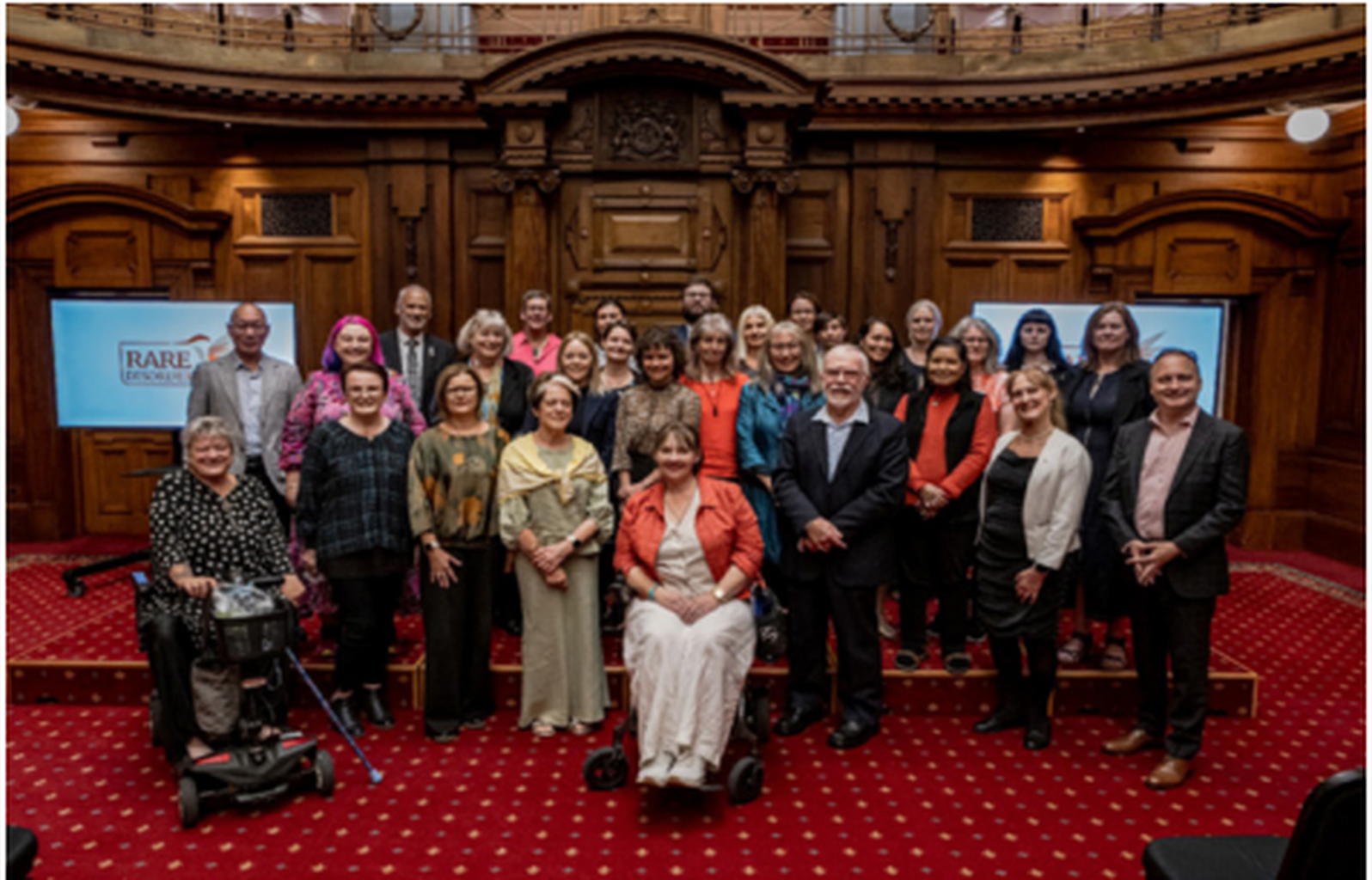
IDFNZ is proud to be a member of the Rare Disorders NZ Collective, part of a National voice of all people living with a rare disorder and their whānau. The RDNZ Collective comprises more than 150 disorder specific support groups.
Many thanks to IDFNZ members who took the time to complete the 2025 RDNZ survey. The results have been collated and analysed by HealthiNZ and published in a new white paper for Rare Disease Month 2026. It was our pleasure to attend the launch of this white paper at Parliament, with key speakers including our host, MP Hamish Cameron; the Minister of Health, Simeon Brown; and Shane Reti, who all acknowledged continued support for patients living with rare diseases.
The results from the 2025 New Zealand Voice of Rare Disorders Survey provide an opportunity to understand the real impact of living with, or caring for people with, rare disorders. The Impact of Living with a Rare Disorder in Aotearoa New Zealand in 2025 white paper has been informed by the 2025 Voice of Rare Disorders survey findings.
Patient members of IDFNZ are all too familiar with the challenges of living with a rare disease, and the RDNZ Collective plays an important role in advocating for ‘Rare’ to the Ministry of Health, Pharma and other health providers, on behalf of our support groups.
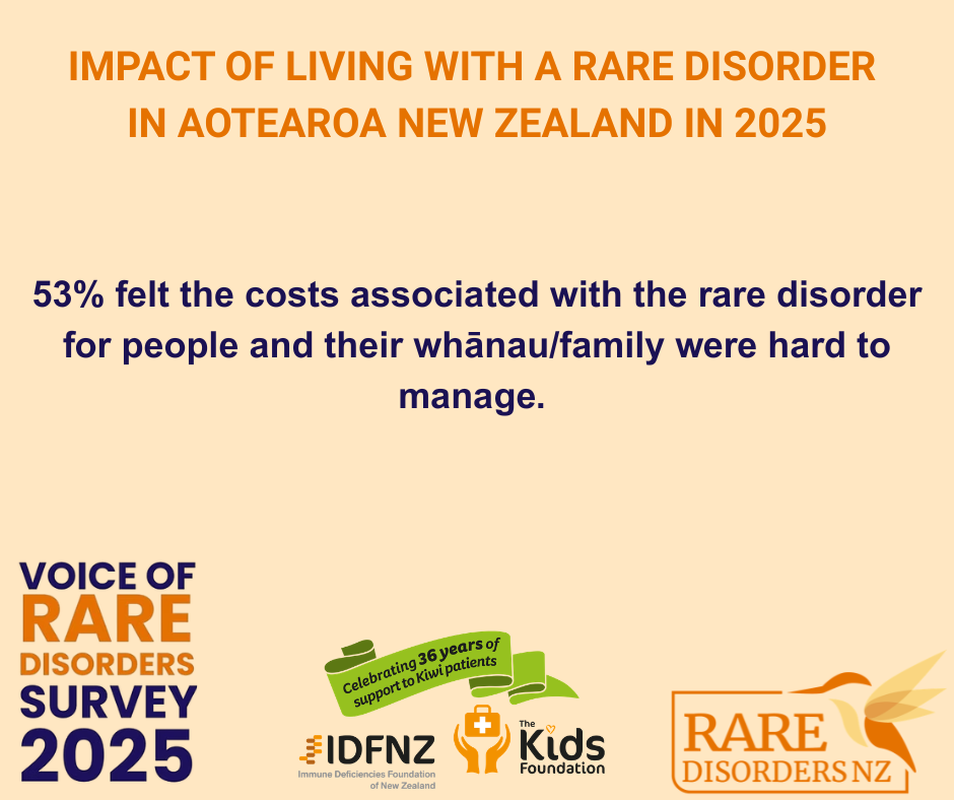
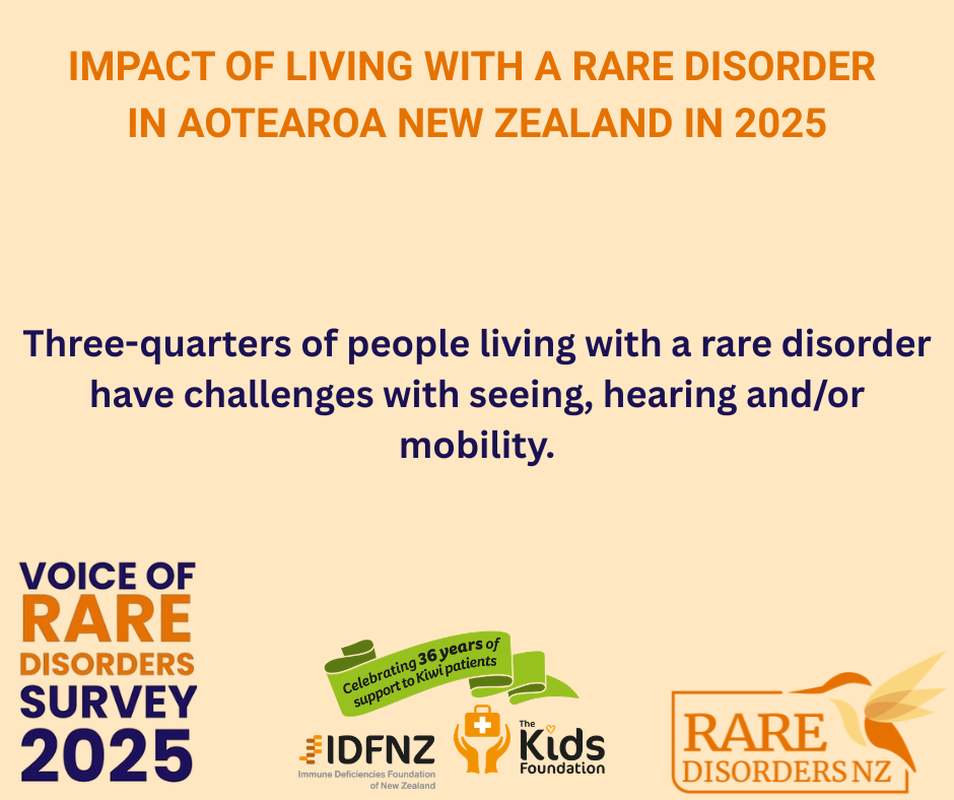
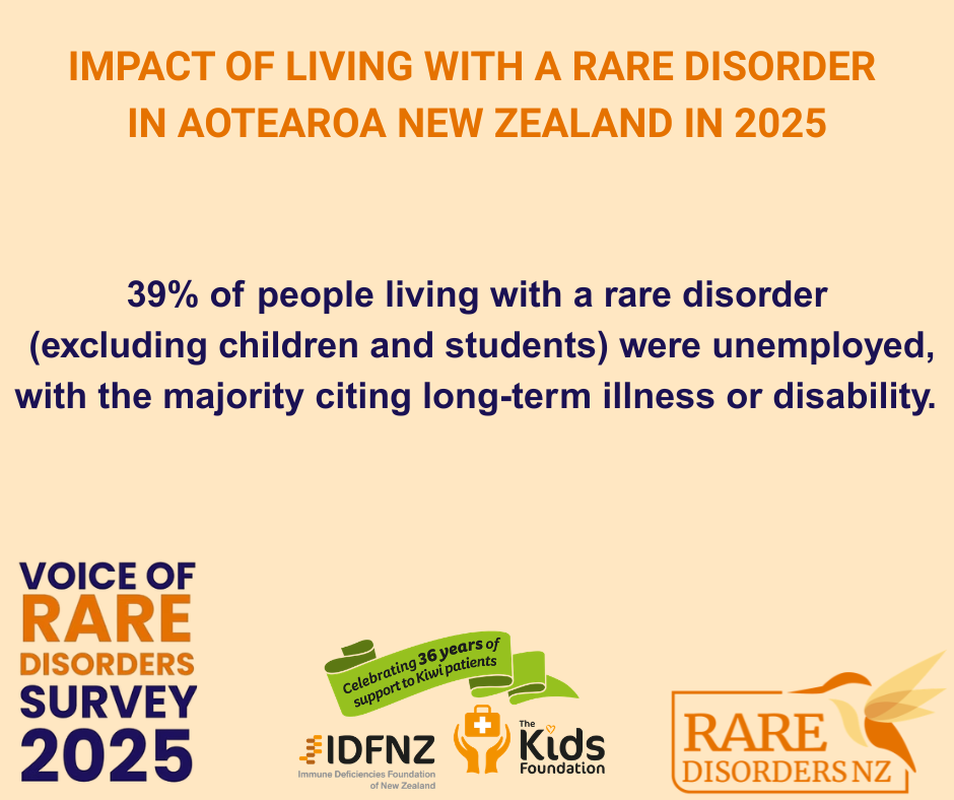
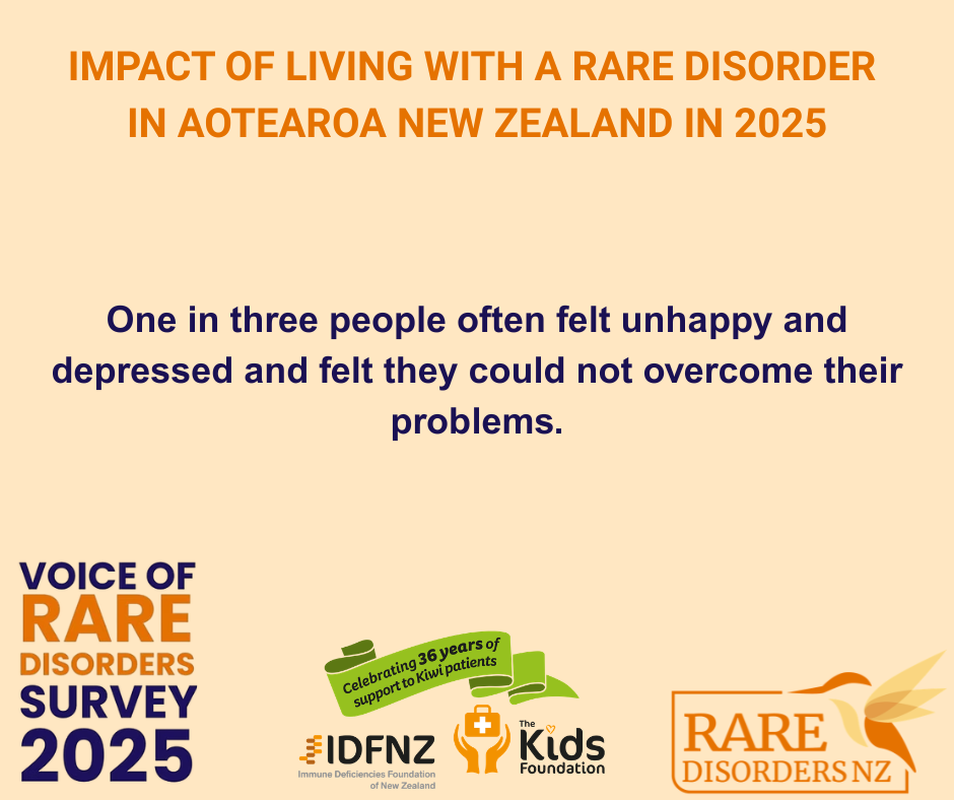
The survey captures the experiences of over 1,000 New Zealanders living with rare disorders and, with over 460 different diagnoses and good participation from Māori, remains the largest reported survey of consumer-reported outcomes for rare disorders in this country. The survey findings show systemic barriers persist in diagnosis, care pathways, access to medicines, social supports, and access to appropriate expertise for people living with a rare disorder. International comparisons reveal that New Zealand continues to lag behind its OECD peers in access to modern medicines for rare disorders and coordinated care. The survey findings show systemic barriers persist in diagnosis, care pathways, access to medicines, social supports, and access to appropriate expertise for people living with a rare disorder. International comparisons reveal that New Zealand continues to lag behind its OECD peers in access to modern medicines for rare disorders and in coordinated care. For people living with a rare disorder, and their carers, the picture continues to be a challenging one. Most report that the rare disorder significantly impacts their health and everyday life, is disabling and makes a number of everyday activities difficult. Many are self-funding their healthcare costs to some extent, with the majority finding this hard to manage. Full employment is a challenge for people and their carers, often requiring modified work arrangements or leaving their jobs. Their rare disorder has serious effects, not only on their own mental health and wellbeing, but also on their family/ whānau, with one in three often unhappy and depressed and feeling they cannot overcome their problems.
KEY FINDINGS FROM THE 2025 SURVEY
• Delayed and inaccurate diagnosis: Over half (52%) of respondents waited more than a year for a diagnosis, and 23% waited more than 5 years. Misdiagnosis remains common, with over half (56%) misdiagnosed at least once, while access to genetic testing is limited.
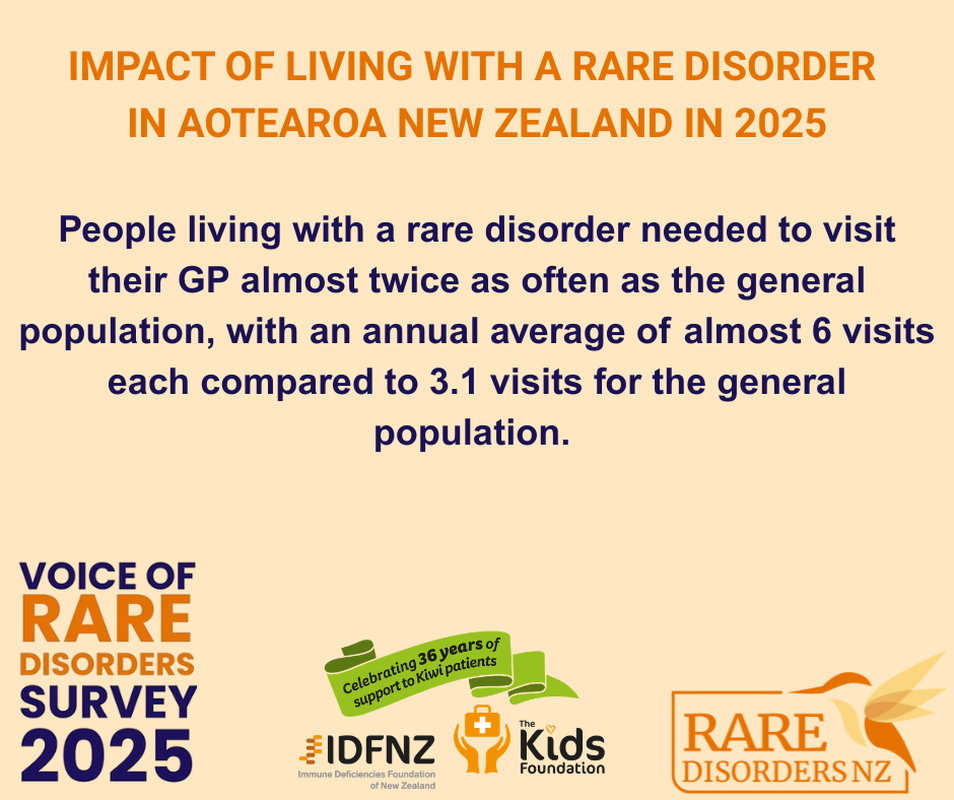
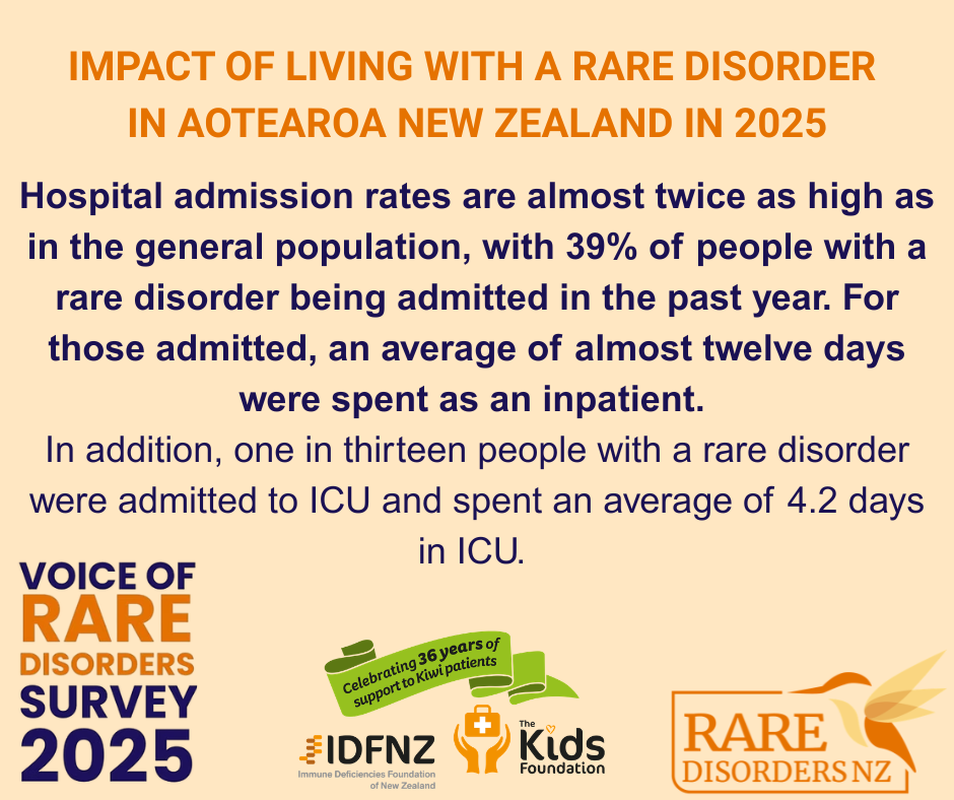
• High healthcare utilisation, yet care remains fragmented and poorly coordinated: Most respondents (84- 93%) are accessing GPs and specialists far more frequently than the general population, and hospital admissions and ICU stays are significantly elevated. However, communication between providers is often inadequate, and most people are not informed about their rights or available support.
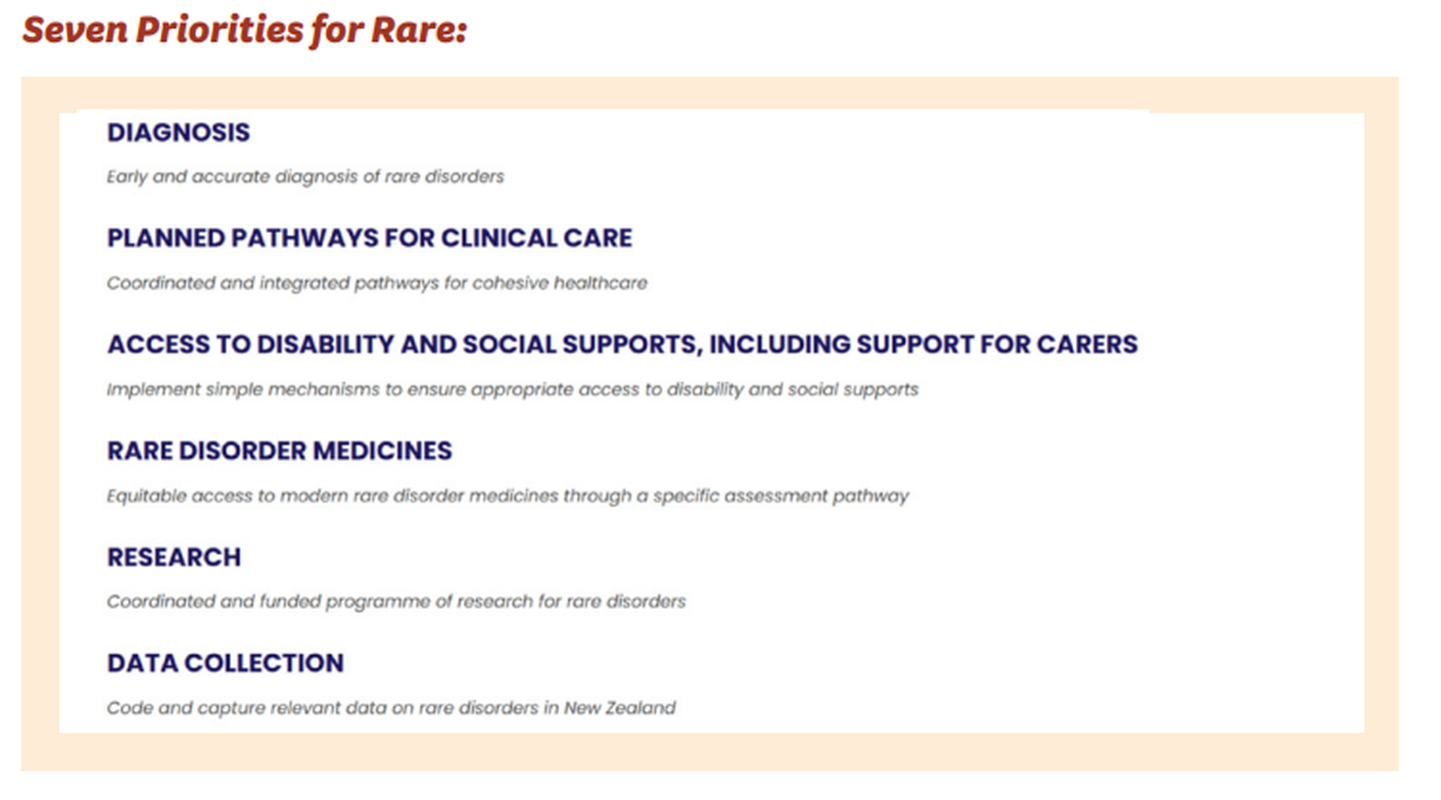
The 2025 survey has shown these remain two areas with large gaps for people living with rare disorders. Furthermore, the Strategy also highlighted the importance of improved data collection about people living with a rare disorder and this will also be a key element of the implementation, in order to better understand the problem and measure progress.
The finalisation of the Rare Disorders Strategy in 2024 marked a pivotal step forward, articulating a vision where “people living with rare disorders and their whānau are enabled to live their best lives” and where “no one is left behind.” To realise this vision, a coordinated, measurable, and equity-focused plan for implementation is essential.
Significant challenges remain for people living with rare disorders. Rare disorders are individually uncommon but collectively significant, impacting health, well-being, and social participation for people living with them, their families, the health system and society.
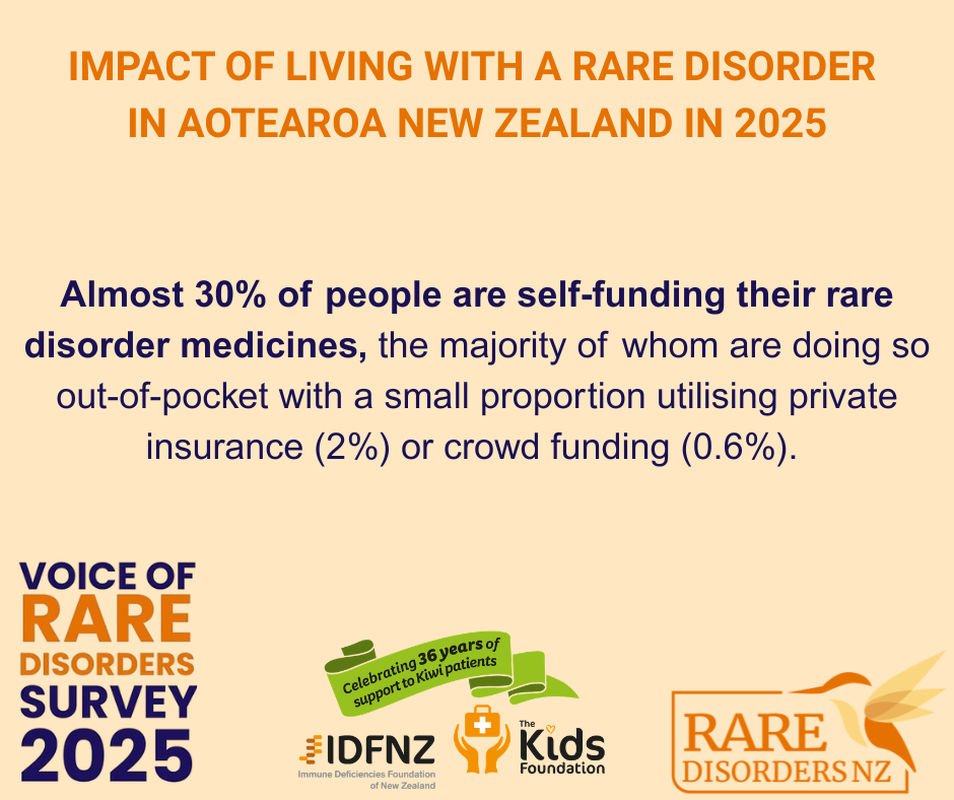
• Limited access to rare disorder medicines: While almost all respondents took at least one medicine, most are for symptoms rather than the rare disorder itself. Over three in ten (39%) people believe they are missing out on needed medicines, and almost all (96%) worry that future treatments will not be funded. The Named Patient Pharmaceutical Assessment (NPPA) process is little known and inconsistently successful. The current funding model does not meet the needs of those with rare disorders, and alternative pathways are urgently needed.
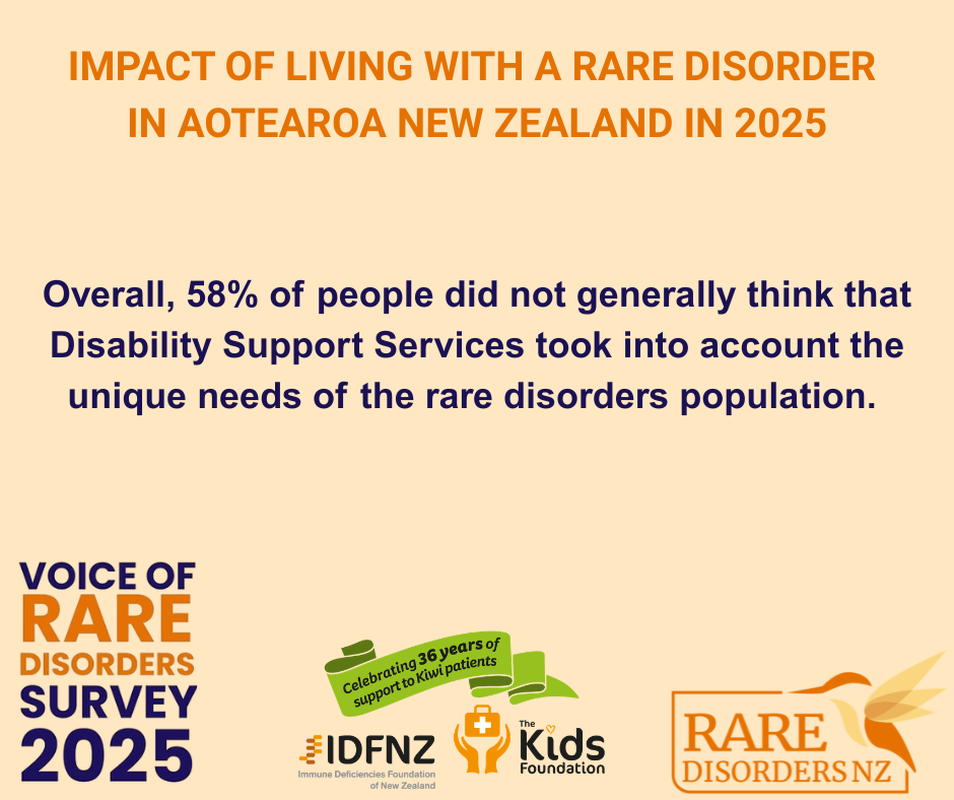
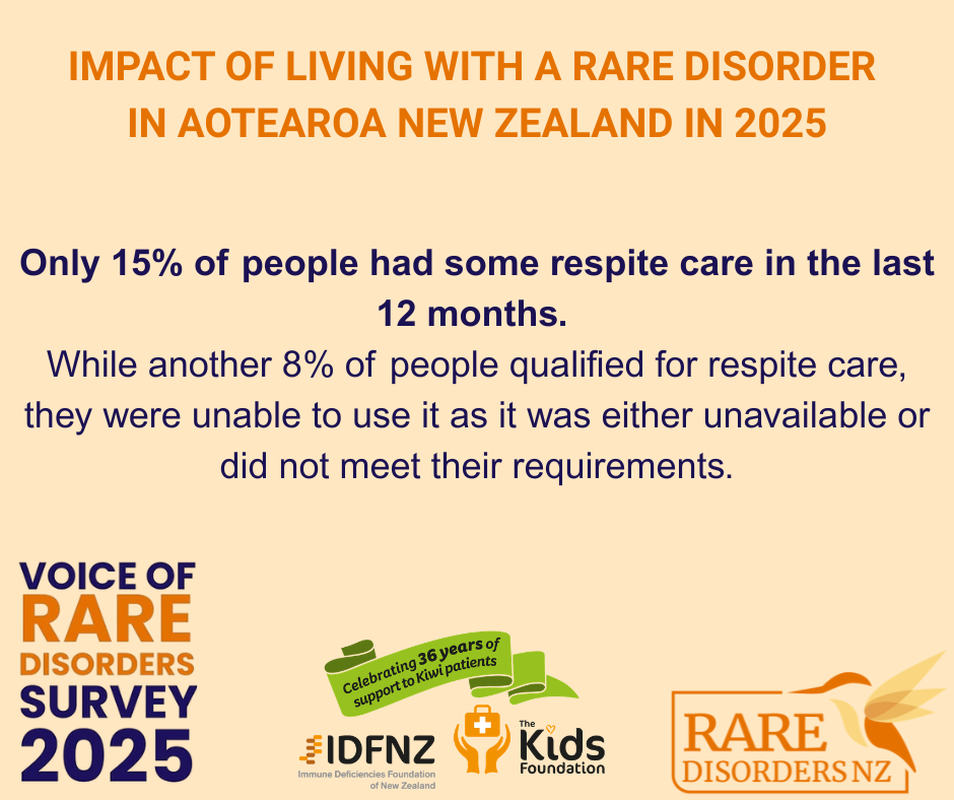
• Variable access to social and disability supports: People often faced significant barriers in accessing appropriate social and disability supports, with most feeling uninformed about available services and reporting that professionals are not well prepared to meet their needs. Only a small proportion (15%) received respite care, and over half (58%) believe that disability support services do not adequately consider the unique challenges of rare disorders.
• Persistent equity gaps: These are commonly experienced by people with rare disorders, which is further exacerbated for Māori, who experience a greater impact of the rare disorder on the person, their carer, and their whānau/ family. These findings reinforce the need for targeted, culturally responsive actions. The finalisation of the Aotearoa New Zealand Rare Disorders Strategy by the Ministry of Health in 2024 marked a pivotal step forward, articulating a vision where “people living with rare disorders and their whānau are enabled to live their best lives” and where “no one is left behind.”
To date, implementation of the Strategy has been stalled, but there is now a cross-agency agreement to develop an implementation plan. To realise the Strategy's vision, a coordinated, measurable, and equity-focused plan for implementation is essential, with key actions across each of the following areas:
• Implementation plan addressing the full ten-year life of the strategy, ensuring a clear line of sight from early actions to the intended end-state, with funding and resource commitment and with cross-agency leadership and oversight.
• Leadership and coordination mechanisms established for rare disorders.
• Prioritise equity for people with rare disorders compared to the general population, ensuring that efforts to close this gap lift all parts of the rare disorder community, including Māori, through culturally safe care and support.
• Rare Disorders NZ as a key partner in strategy implementation and ongoing advocacy to ensure the voice of rare disorders is heard. While the implementation plan will go a long way towards addressing gaps highlighted in this survey for diagnosis, planned pathways for clinical care and workforce development, the Strategy is scarce on details about improving access to modern rare disorder medicines or access to disability and social supports, including support for carers.
This can include significant impacts on mental, social and physical functions, household budget, employment and job careers, family life and well-being. Many of these conditions are lifelong and debilitating and may lead to death at a young age. People often report feeling lost in the health system, starting with a long pathway to diagnosis and difficulty accessing treatments, care, or healthcare services, including challenges with care coordination.
People can experience inequitable health outcomes, often influenced by unfair barriers, such as a lack of timely access to services and the need to navigate a health system ill-equipped to support them.
‘I am always up against a brick wall’. – Person with a RD.
‘We have no information on what the future may hold. We are on a roller-coaster ride blindfolded.’ – Parent of a person with a rare disorder.