
Member Stories - IDFNZ Kids Foundation Liver Conference 2026
Wed May 6th 2026
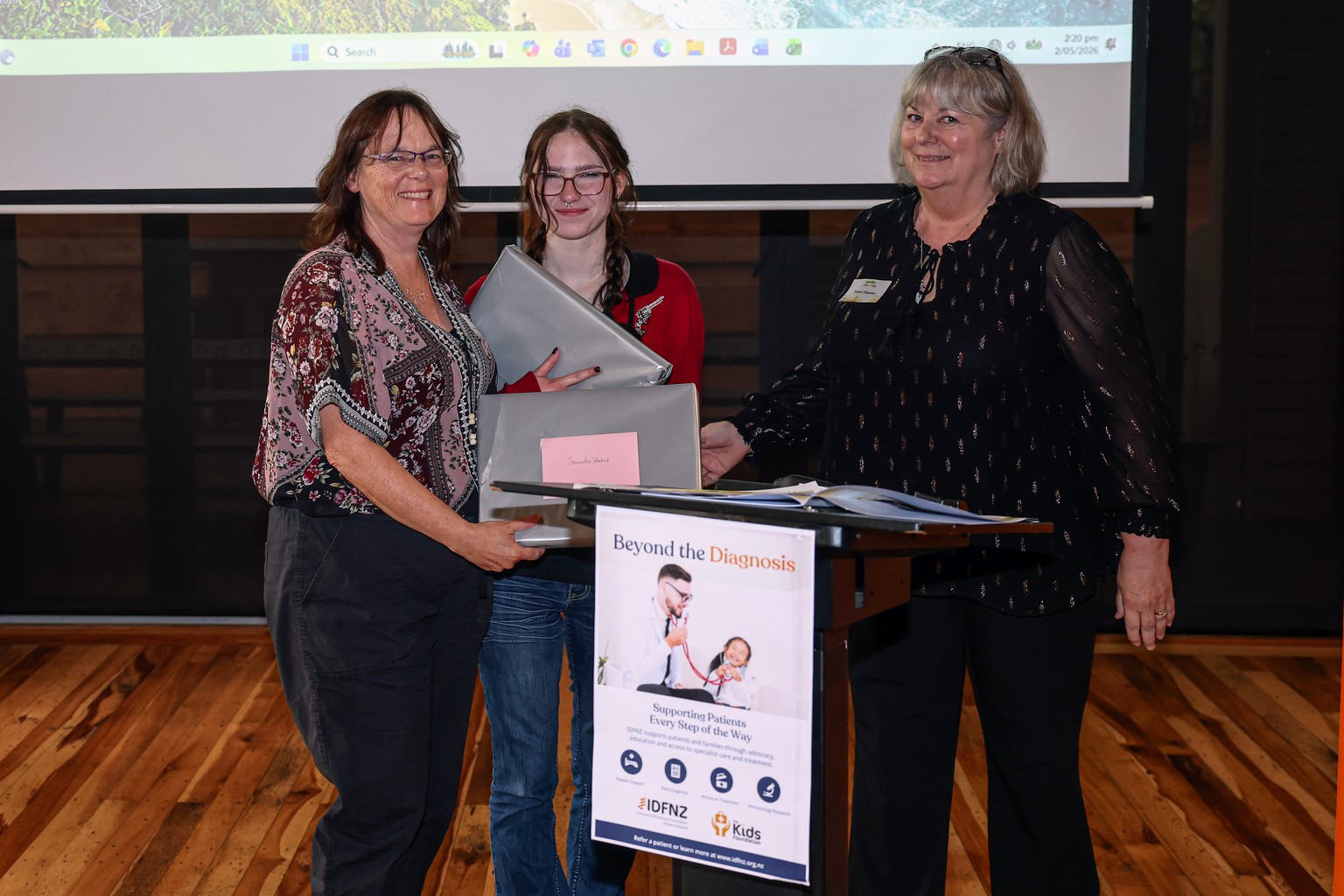
We had Samantha and Lara sharing their experiences, followed by Danielle. Samantha, Lara’s mum, speaks about the emotional and practical challenge of handing over complex medical care from parent to young adult. She describes Lara’s journey with biliary atresia: diagnosis as a baby, a failed early surgery, a first liver transplant at eight months with years of infections and complications, then a second transplant to improve her poor quality of life. Samantha explains how Lara’s chronic pain, depression, and the isolation of COVID-19 made adolescence particularly hard, including a period where Lara secretly stopped taking her medication. She shares how attached they were to Starship as a safe, familiar place and how daunting the move to the youth liver clinic at Green Lane felt. Over time, with familiar clinicians and a gradual, supportive transition process, Lara took increasing ownership of her appointments and health, while Samantha shifted into a supporting role. She finishes by expressing pride in Lara’s resilience and independence, and reassurance that the youth clinic team is skilled and caring in guiding families through this transition.
Lara introduces herself as the young person in Samantha’s story, now 19, and reflects on what it was like to grow up with biliary atresia and two liver transplants, spending much of her childhood in the children’s hospital, which became a second home. She describes the move toward adult care as frightening and unwanted at first, feeling like being pushed out of a safe, familiar world into a bigger, more anonymous adult environment. Lara explains that as young people get older, they start to learn more of the detail and complexity of their condition and may realise how many questions they still have; she encourages others to use this transition time to ask questions and understand their health. She highlights how the Young Person’s Liver Clinic eased the change by keeping procedures at Starship while holding clinics at Green Lane, maintaining some familiar faces and routines and gradually building her independence. Over time she became more confident checking in, attending appointments alone, and speaking openly with her team, and now feels prepared to manage her health herself as she moves overseas.
Danielle the South Island patient coordinator for IDFNZ and mum to Blake, shares their family’s journey with biliary atresia and liver transplantation. Blake was diagnosed as a newborn, underwent a Kasai procedure that failed, and received a life-saving liver transplant at 14 months, followed by years of complications, procedures, and hospital stays. Danielle explains that while early childhood was medically intense, the teenage years brought some of the hardest challenges: Blake struggled with feeling different, became angry, used drugs and alcohol, and stopped taking his anti-rejection medication regularly, eventually leading to rejection. She emphasises the crucial role of youth transition services, particularly the youth transition team and clinicians like Dr Harry and Chris Budd, in helping Blake understand his medications, rebuild trust, and take ownership of his health, while also supporting his parents through a very distressing time. Danielle concludes with gratitude to Blake’s donor, the medical and transition teams, and with a hopeful message to other families that although adolescence can be turbulent, with support, young transplant recipients can move into adulthood with responsibility, resilience, and new beginnings.